
My Home

Practical information to help you understand your housing agreement, look after your accommodation and report repairs or safety concerns.

Safe and Supported Housing

A Safe, Secure and Comfortable Place to Live

Your home should provide a safe, dignified and suitable place to live. KENDAL HOUSING CIC aims to help residents understand their accommodation, responsibilities and the support available when something needs attention.

If you are concerned about a repair, property condition or safety issue, report it as early as possible. Early reporting can help prevent the problem from becoming more serious.
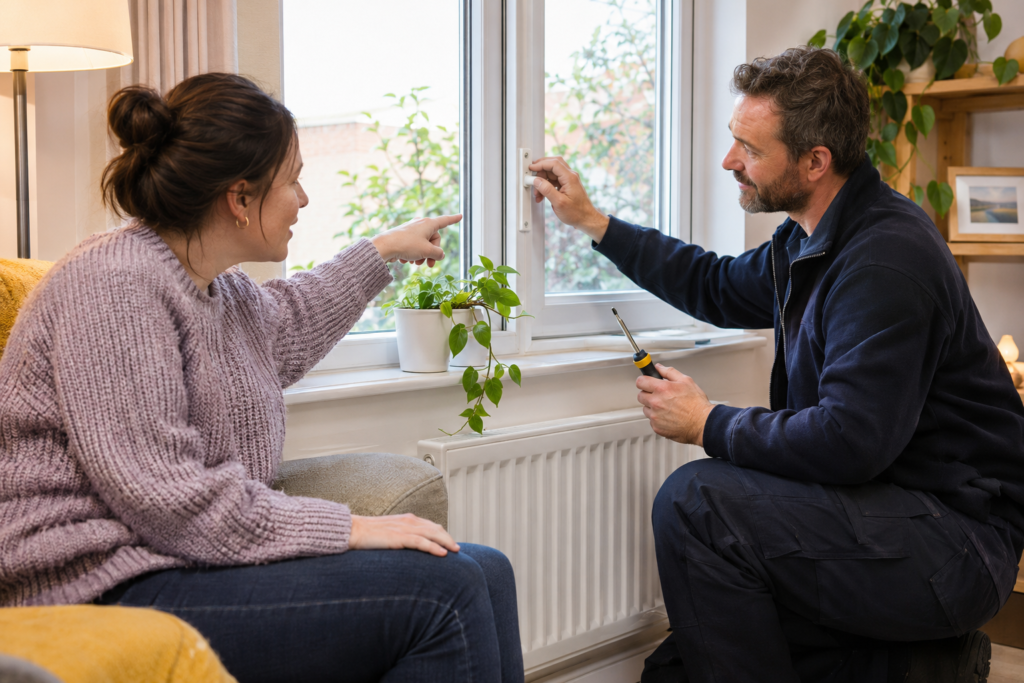

Why Home Safety Matters

A safe and well-maintained home can support your health, wellbeing and ability to maintain your accommodation. A suitable home should generally:

  • Be secure and reasonably weatherproof
  • Have appropriate working safety equipment
  • Be free from serious avoidable hazards
  • Have safe electrical and heating installations
  • Provide suitable ventilation
  • Have clear and usable escape routes
  • Receive necessary repairs and maintenance
  • Provide a respectful living environment

The responsibilities that apply will depend on your housing agreement and who owns or manages the property.

How We May Support You

Depending on your accommodation arrangements, KENDAL HOUSING CIC may help you:

  • Understand your tenancy, licence or occupancy agreement
  • Identify who is responsible for a repair
  • Report maintenance and safety concerns
  • Follow up outstanding repairs
  • Understand relevant house rules
  • Maintain a safe and manageable home
  • Raise concerns with the appropriate landlord
  • Access independent housing advice
  • Request reasonable adjustments or adaptations
  • Address problems involving shared areas or neighbours

If KENDAL HOUSING CIC is not your landlord, decisions about repairs, charges and property management may remain the responsibility of the property owner or managing organisation.

Looking After Your Home Together

Residents can help maintain safe accommodation by:

  • Reporting repairs and damage promptly
  • Allowing agreed access for essential inspections
  • Keeping doors, corridors and exits clear
  • Using fixtures and appliances safely
  • Avoiding deliberate or preventable damage
  • Disposing of rubbish appropriately
  • Treating neighbours and shared spaces respectfully
  • Following safety instructions for the building
  • Asking for help when managing the home becomes difficult

If health, mobility or other personal circumstances make it difficult to manage your accommodation, tell your support worker. Appropriate support or adjustments can then be considered.

Tell us promptly if you notice a repair, safety concern, damp, mould, damaged equipment or anything else that could affect your home.

Provide photographs where appropriate and explain whether the problem is affecting your health, safety or ability to use part of the property.

What is a housing agreement?

Your written agreement may be called a tenancy agreement, licence agreement or occupancy agreement.

It should explain:

  • Your rights and responsibilities
  • The landlord’s responsibilities
  • Rent and applicable charges
  • How long you may occupy the property
  • Relevant house rules
  • How the agreement may end
  • What happens if its conditions are not followed

Keep a copy of your agreement. Ask your support worker, landlord or an independent adviser if you do not understand any part of it.

A breach happens when the conditions of an agreement are not followed.

Examples may include:

  • Repeatedly missing rent payments
  • Serious or persistent antisocial behaviour
  • Deliberate or avoidable property damage
  • Refusing essential safety inspections
  • Creating a serious risk to other residents
  • Allowing unauthorised people to live at the property
  • Repeatedly breaking applicable house rules

The response will depend on the circumstances and seriousness of the issue. It could involve a discussion, warning, request for corrective action, a recharge or formal housing action.

Speak to your support worker or seek independent housing advice promptly if you are concerned that your accommodation may be at risk.

Tell your support worker before the situation becomes unsafe or overwhelming.

People may experience difficulties because of health conditions, disability, trauma, poor mental health or a period of crisis. Support may involve:

  • Creating a manageable action plan
  • Organising belongings
  • Reducing dangerous clutter
  • Arranging appropriate cleaning support
  • Addressing rubbish or pest concerns
  • Keeping essential exits accessible
  • Connecting you with specialist services

The aim should be to reduce risks while treating you with dignity and involving you in decisions wherever possible.

Contact KENDAL HOUSING CIC or the organisation responsible for managing your property.

Include:

  • Your name and address
  • The location of the problem
  • A clear description of the fault
  • When you first noticed it
  • Photographs where appropriate
  • Whether it affects electricity, water, heating or security
  • Whether anyone’s health or safety is at risk
  • Suitable arrangements for property access

Do not attempt electrical, gas or structural repairs yourself.

An emergency repair is normally a problem presenting an immediate and serious risk to people or the property.

Examples may include:

  • A suspected gas leak
  • Dangerous exposed electrical wiring
  • A major uncontrollable water leak
  • Serious structural damage
  • A fire or severe fire-safety concern
  • A property that cannot be secured
  • Complete loss of essential facilities where there is an immediate risk

For immediate danger, leave the area if necessary and call the appropriate emergency service. Do not wait for an online repair form to be reviewed.

If there is a fire:

  • Follow the fire-action instructions for your building
  • Leave immediately if that is the stated procedure
  • Call 999 and ask for the Fire and Rescue Service
  • Do not return for personal belongings
  • Do not attempt to fight the fire yourself
  • Do not use a lift unless the building’s emergency instructions specifically permit it

Some buildings may have different evacuation arrangements, so familiarise yourself with the notices and instructions provided for your home.

Working smoke alarms provide vital warning, and government guidance recommends testing them regularly.

You can reduce fire risks by:

  • Keeping cooking attended
  • Keeping flammable items away from hobs and heaters
  • Avoiding overloaded sockets and linked extension leads
  • Replacing damaged plugs and cables
  • Keeping exits, corridors and fire doors clear
  • Never wedging fire doors open
  • Extinguishing cigarettes safely
  • Avoiding smoking in bed
  • Using candles only where your housing rules permit and never leaving them unattended
  • Charging electrical devices according to the manufacturer’s instructions
  • Reporting damaged alarms or fire doors promptly

Always follow the rules and fire-safety information specific to your property.

If you suspect a gas leak:

  • Call the National Gas Emergency Service immediately on 0800 111 999
  • Open doors and windows
  • Avoid naked flames and smoking
  • Do not operate electrical switches
  • Turn off the gas supply only if you know how and it is safe
  • Leave the property if you feel unsafe

Do not use a suspected unsafe appliance until it has been checked by a Gas Safe registered engineer.

Report a faulty or damaged alarm to your landlord or housing contact immediately.

Follow the manufacturer’s instructions for testing the alarm. Do not remove or permanently disable an alarm.

If a carbon-monoxide alarm sounds or anyone develops symptoms such as dizziness, headache, nausea or confusion:

  • Leave the affected area
  • Seek emergency advice
  • Do not use suspected appliances
  • Contact the appropriate gas emergency service

Relevant landlords in England have responsibilities relating to smoke and carbon-monoxide alarms in rented homes.

Report the following promptly:

  • Exposed or damaged wiring
  • Loose or broken sockets
  • Burning smells
  • Scorch marks
  • Hot plugs or sockets
  • Frequent tripping of the electricity supply
  • Sparks or unusual sounds
  • Damaged appliances supplied with the property

Switch off and stop using an affected item where it is safe to do so. Do not attempt electrical repairs unless you are appropriately qualified.

If taps or showers have not been used for an extended period:

  • Run them carefully before normal use
  • Minimise spray from showerheads
  • Take care to avoid scalding
  • Keep showerheads clean
  • Report unusual water colour, smell or temperature
  • Follow any property-specific water-hygiene instructions

Contact your landlord or support worker if you have concerns about water safety.

Report signs of damp or mould promptly, particularly if they are affecting health.

Warning signs may include:

  • Visible mould
  • Persistent condensation
  • Damp or musty smells
  • Peeling paint or wallpaper
  • Water staining
  • Wet walls, ceilings or floors

Safe everyday steps such as using extractor fans, ventilating appropriately and avoiding drying clothes directly on radiators may help reduce condensation. However, these steps do not replace the landlord’s responsibility to investigate building defects, heating, insulation or ventilation problems.

Official guidance says landlords should assess reports sensitively, identify underlying causes and act urgently where health may be affected.

Antisocial behaviour can include:

  • Persistent unreasonable noise
  • Threatening or abusive behaviour
  • Harassment
  • Hate incidents
  • Intimidation
  • Serious disruption
  • Illegal activity

Keep a record of dates, times and what happened where it is safe to do so. Report the issue to your support worker, landlord or appropriate organisation.

Call 999 if someone is in immediate danger or a crime is taking place.